Words

- by Roberto Rocha
- published from Syria
- on 2011.01.26
The castles of Syria

.
For the first time in my life, I really wanted a time machine. Not for minor things, like correcting regretful memories or killing Hitler, but to see what life was like in these incredible castles peppered all over Syria.
As a strategic point between Europe and Asia, Syria was a sought-after domain for Western merchants and other invaders. It was also a handy base for Arabs to swoop down on Crusaders strongholds in the Holy Land.
The result is a ton of awesome, well-preserved fortresses.
See our selection of photos from four major ones:
Krak des Chevaliers
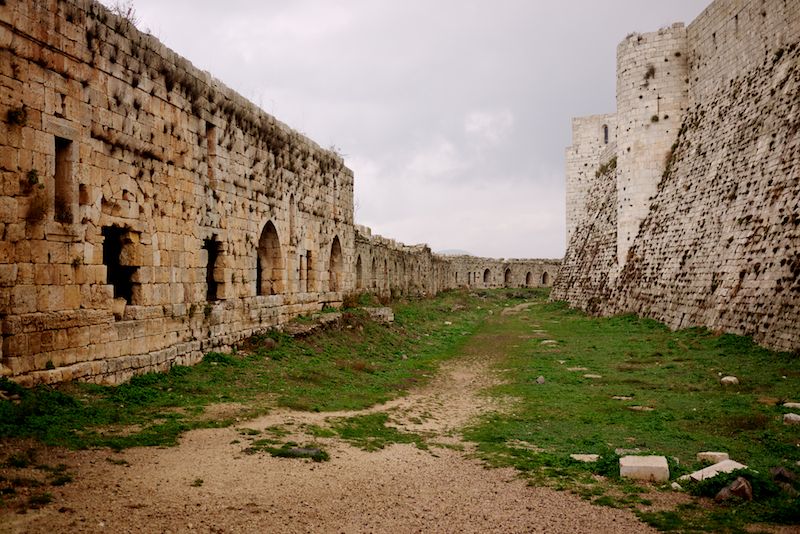
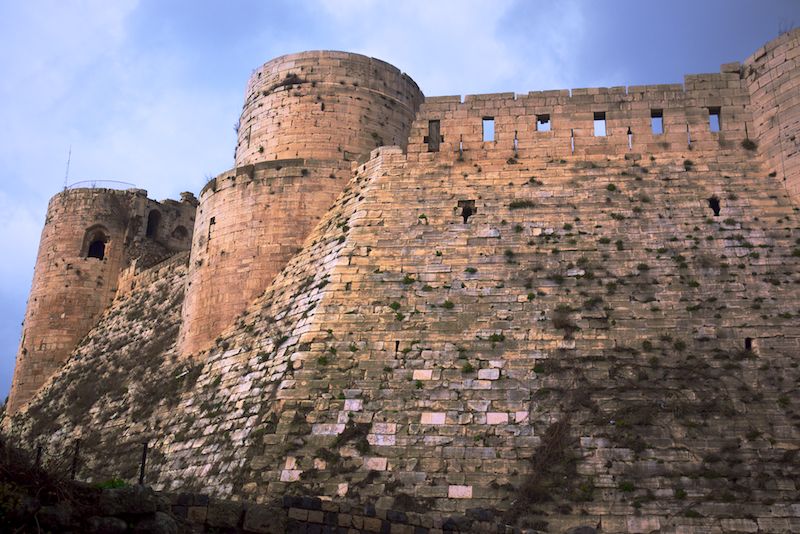
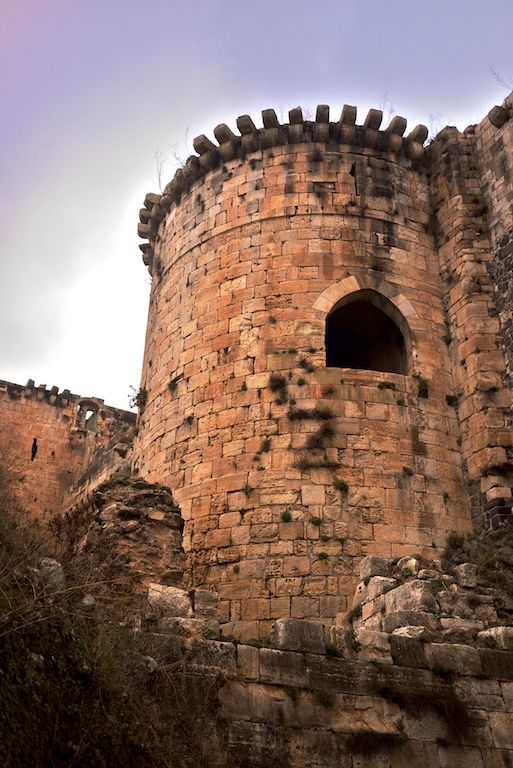
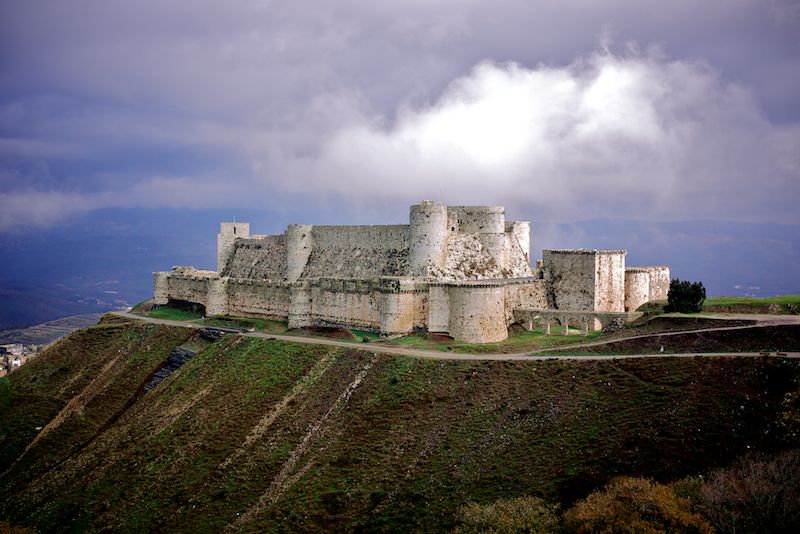
Lawrence of Arabia called this the mosrt admirable and best-preserved castle in the world, and it’s crammed with medieval awesome: a moat separating the outer walls from the inner fortress, round defense towers, an elevated gate where a drawbridge once stood, and lots of crannies for archers, catapults, and boiling oil dispensers.
Built for the emir of Aleppo, it was later captured and expanded by the Knights Hospitaliers during the Crusades. It resistedseiges for two centuries, until it finally fell to the Mamlukes.
Highlights: the massive oven used to make break for 2,000 soldiers, a Gothic church converted to a mosque.
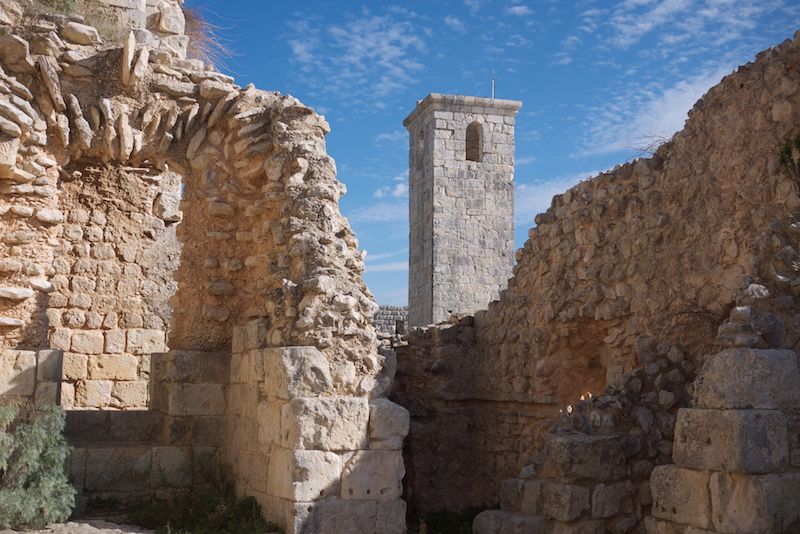
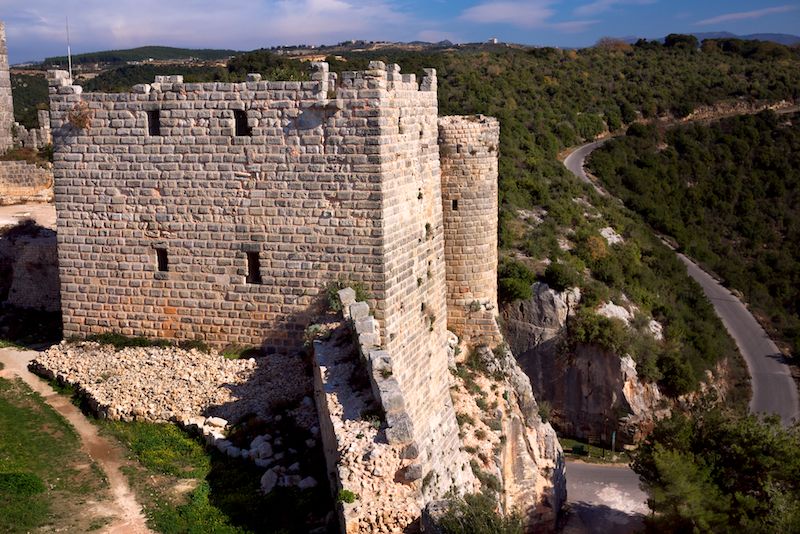
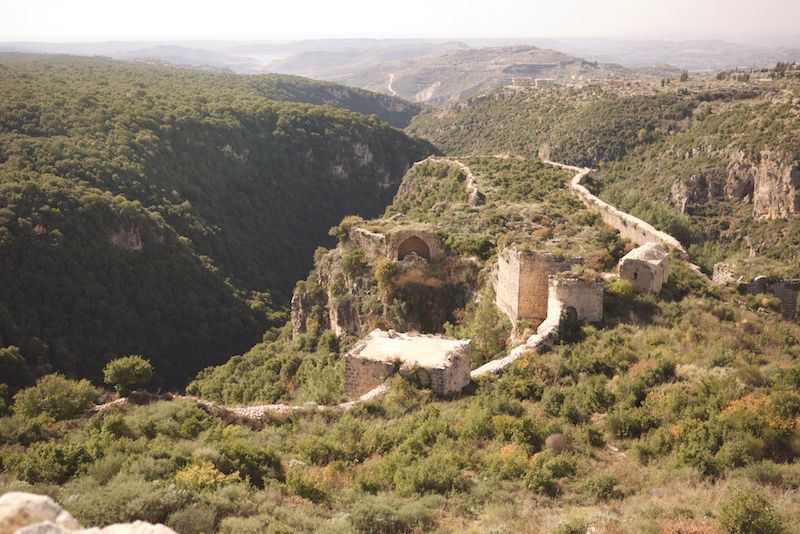
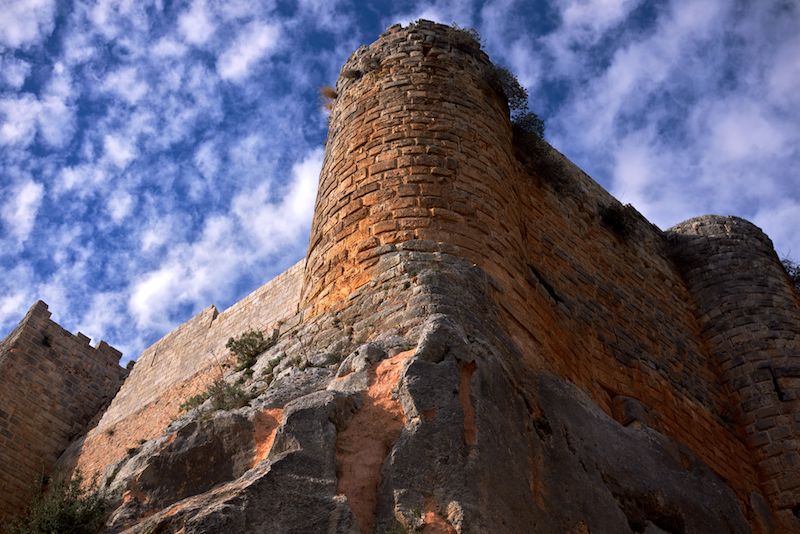
Saladin’s Castle
This one goes back 3,000 years to the Phoenicians, who, legend says, crumbled under a magical gate-crushing club wielded by Alexander the Great.
The Byzantines eventually took it and built the massive defense structures you see today, like the 28-meter ditch dug around it. A tall rock needle, used to support a drawbridge, is testament of that.
It fell to the great Muslim invader Salah Ed-Dine, who gave it its modern name.
Citadel of Aleppo
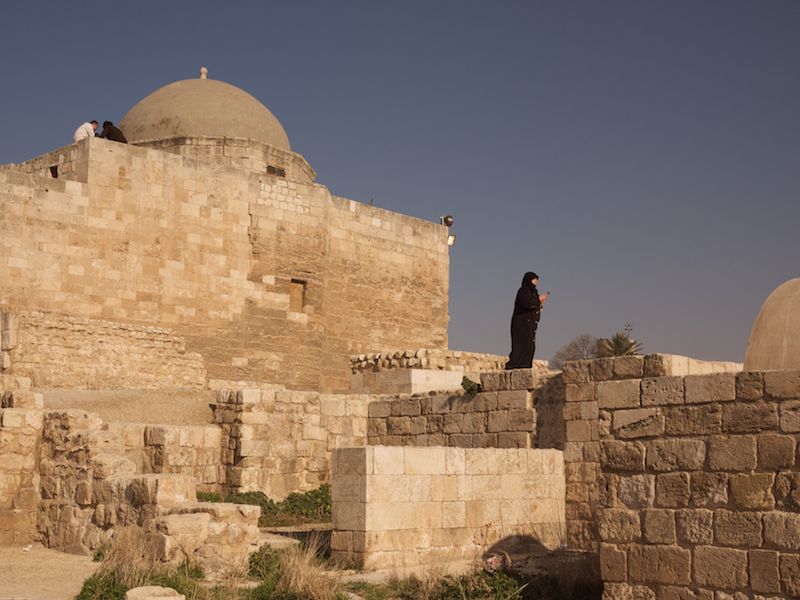
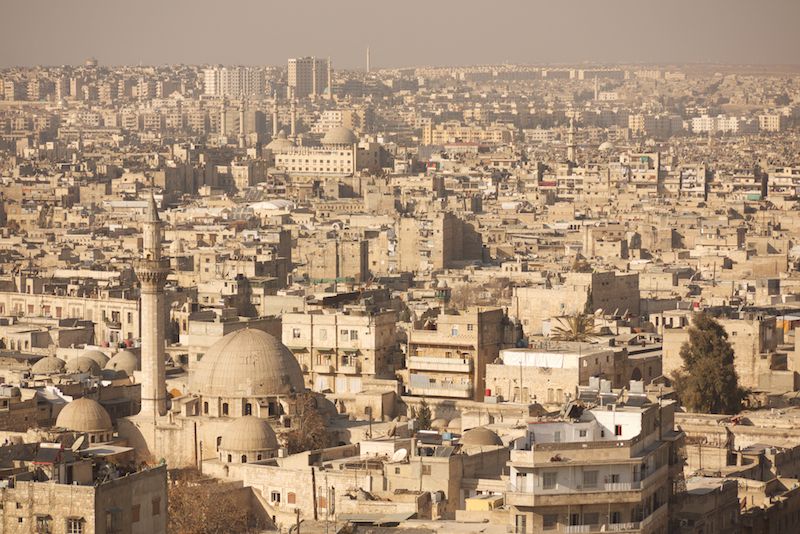
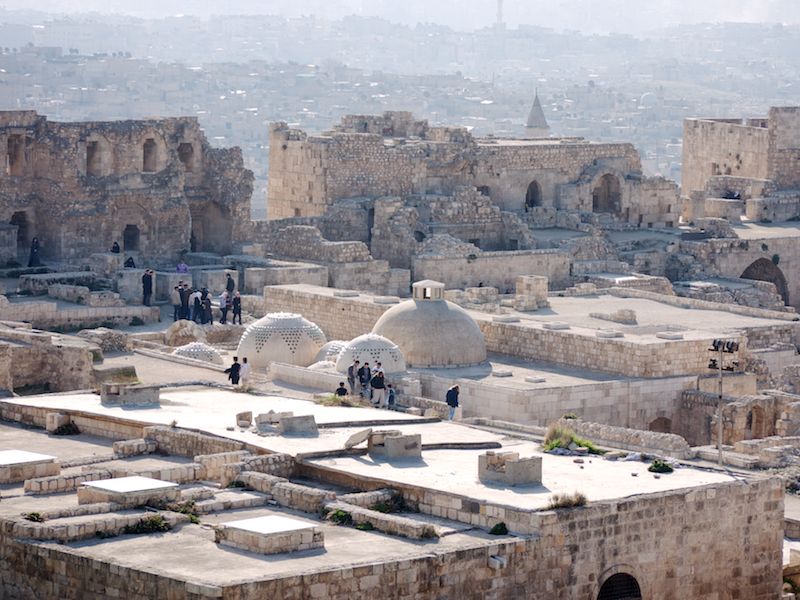
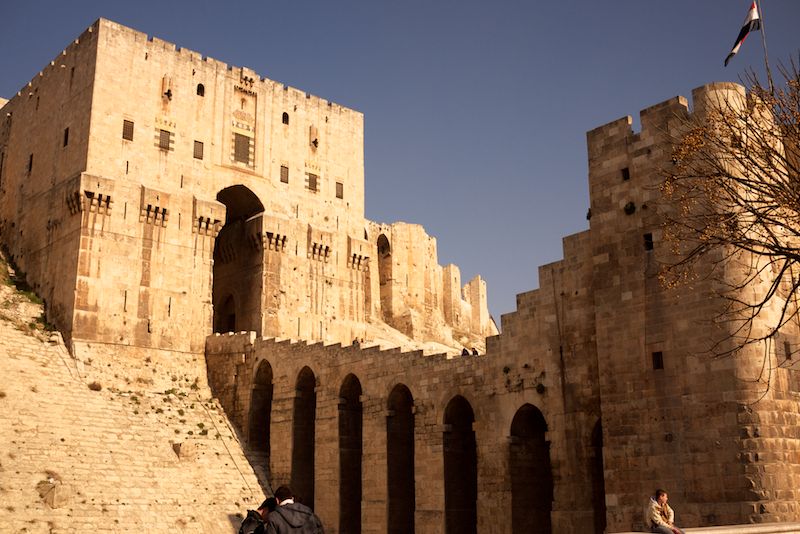
It towers over the old city on a hill surrounded by a wide moat. Mostly ruins remain among a few surviving structures: the Ayyubid Palace and the adjoining bath, populated with dismembered mannequins in bathing attire, an amphitheatre and a mosque, and a restored throne hall from the Mamluke period.
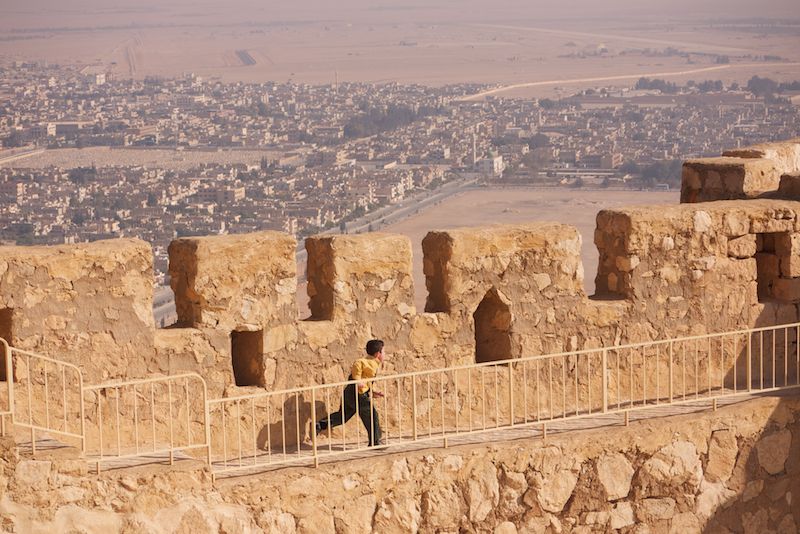
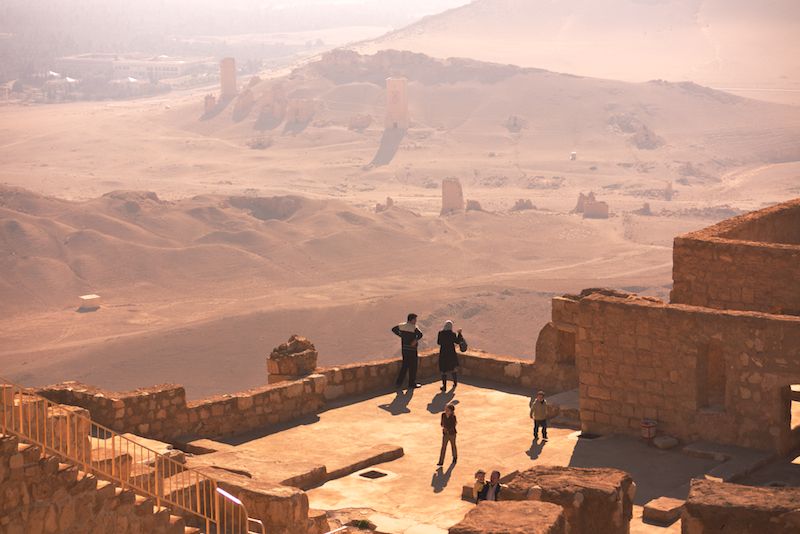
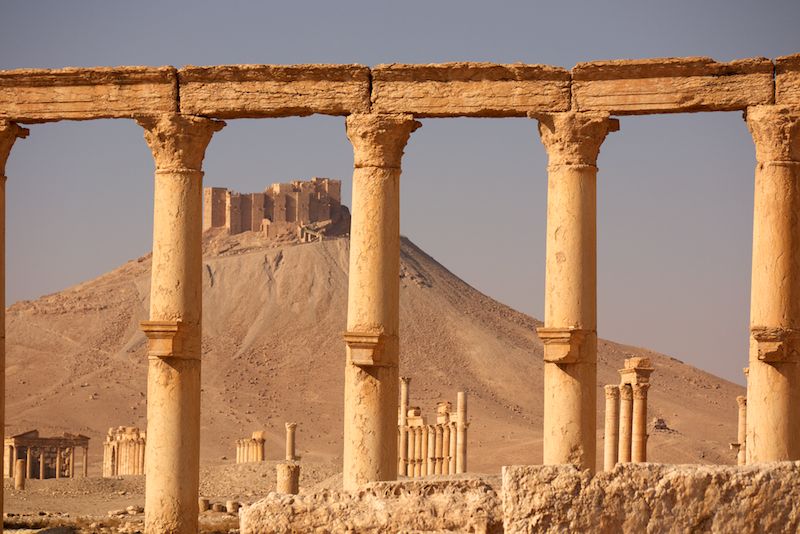
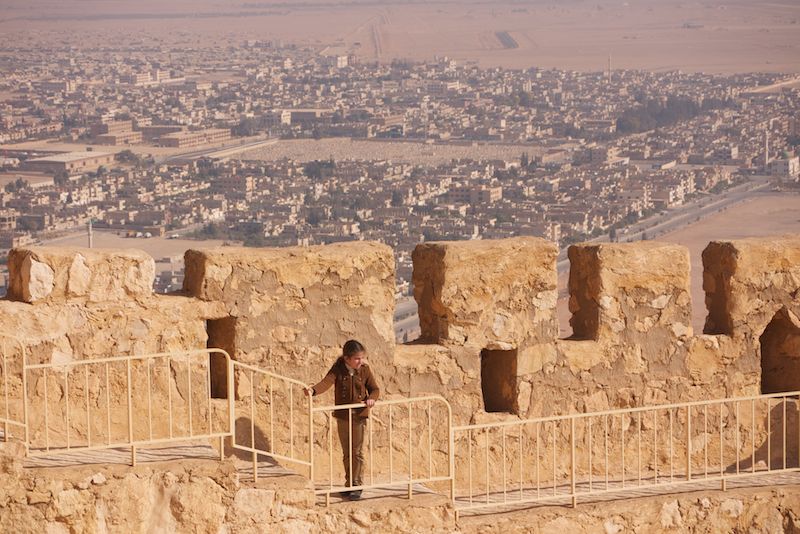
Citadel of Palmyra
Today it’s a tourist hole where the normally kind and helpful Syrians morphed into greedy and dishonest touts. But Palmyra was once a bustling caravan oasis in the middle of the desert.
Like most places in Syria, it underwent successive reigns by Greeks, Romans, and Arabs. From the citadel you’re treated to sweeping views of the desert, avenues of Roman columns, and tomb towers for noble families.
Comments
Custom Ad
Leave a comment